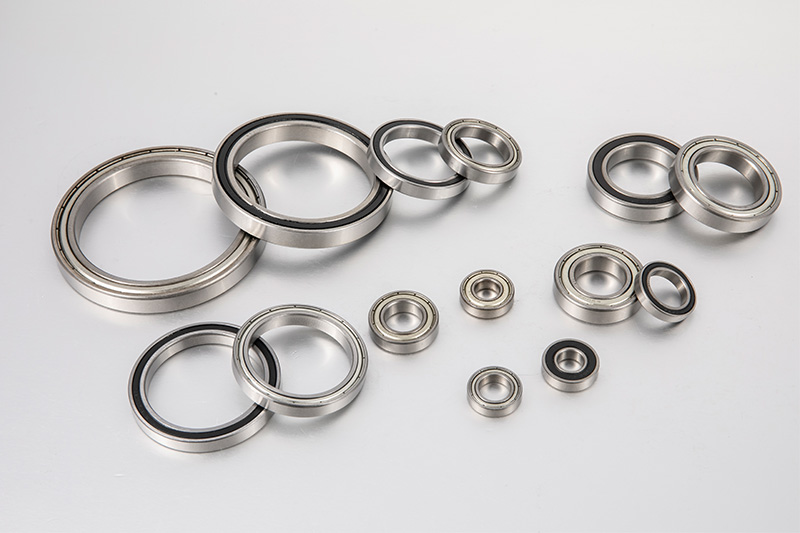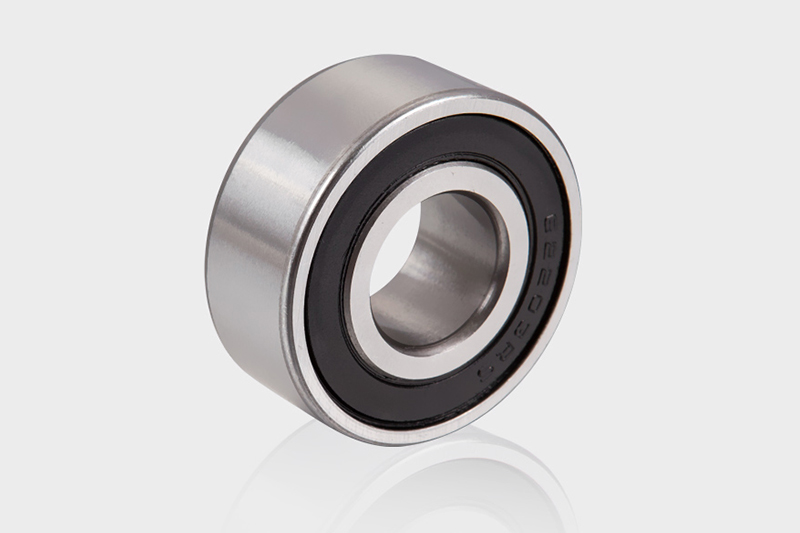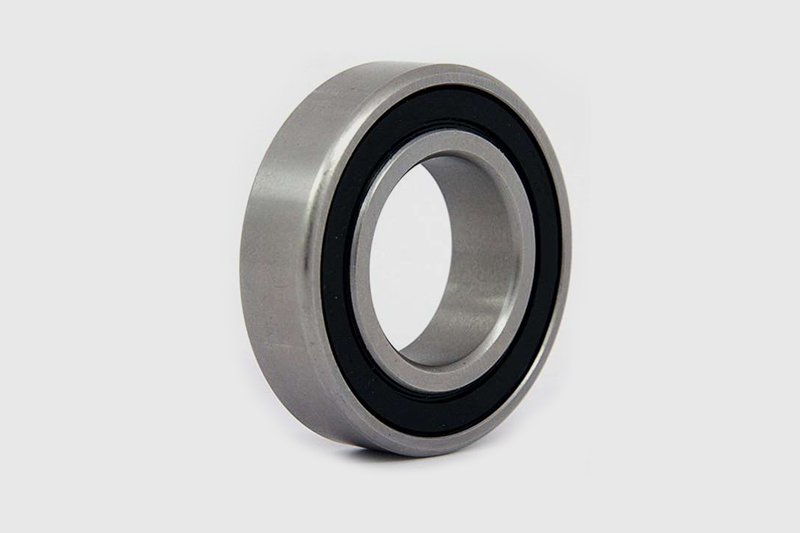


An vložiť ložisko sa volí tak, že sa jeho priemer otvoru prispôsobí hriadeľu, vyberie sa spôsob uzamykania vhodný pre vibrácie a smer otáčania aplikácie a overí sa, že jeho vonkajší priemer a šírka zodpovedajú zamýšľanému krytu. Pre najbežnejšie priemyselné použitie pokrýva vložkové ložisko so zaisteným nastavovacou skrutkou s otvorom medzi 20 mm a 50 mm väčšinu aplikácií vankúšových blokov a prírubových jednotiek. V prostrediach s vysokými vibráciami alebo cúvaním zaťažuje excentrický uzamykací golier podstatne bezpečnejšie ako nastavovacie skrutky a časom odoláva uvoľneniu. Vonkajší profil krúžku ložiska – guľový alebo valcový – sa musí tiež zhodovať s puzdrom, v ktorom bude ložisko sedieť, pretože tieto dva nie sú zameniteľné.
Nižšie uvedené časti vysvetľujú tri bežné metódy uzamykania, ako dimenzovať ložisko vložky podľa otvoru a uloženia puzdra, možnosti tesnenia pre rôzne prostredia a postupný prístup k výberu toho správneho.
Čo je vkladacie ložisko
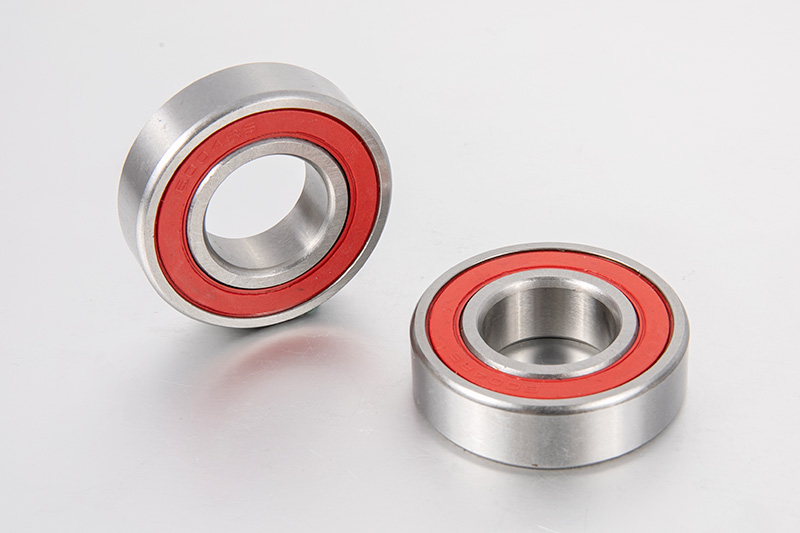
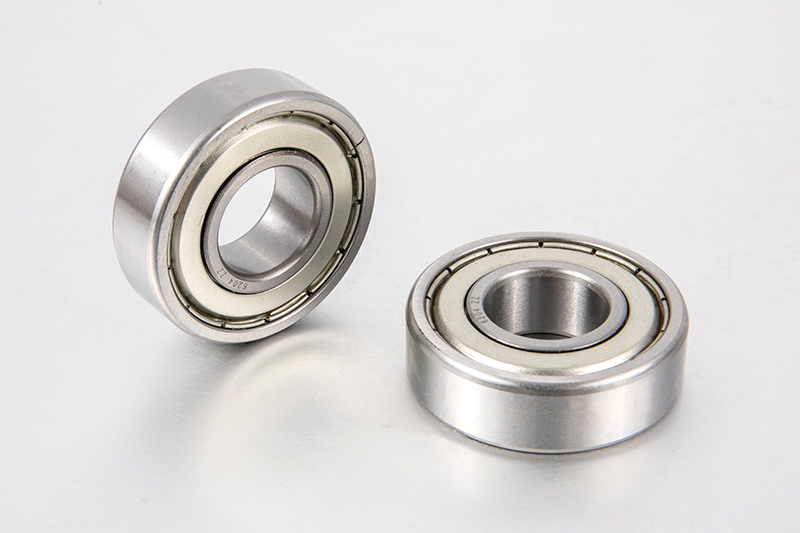
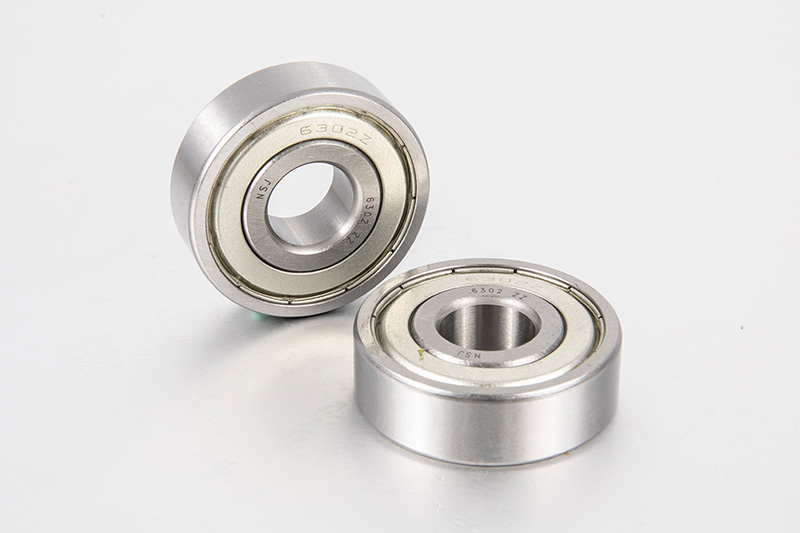
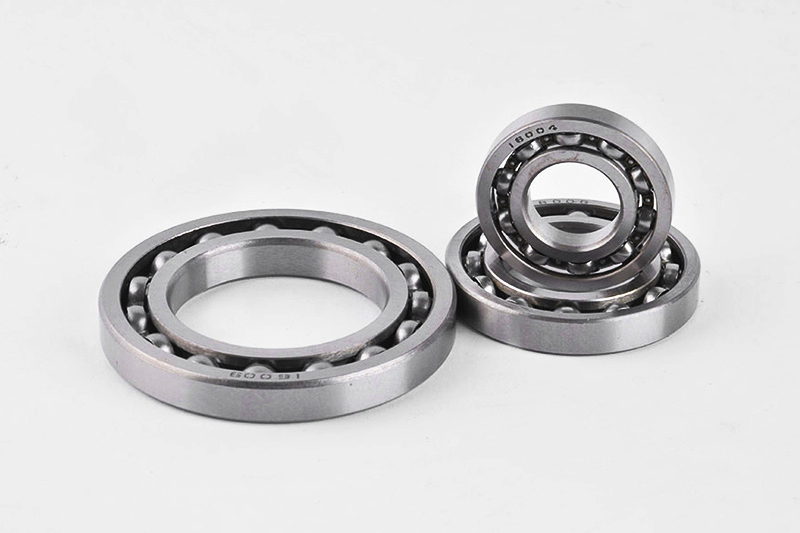
Vložkové ložisko je guľkové alebo valčekové ložisko s predĺženým, sféricky brúseným vonkajším krúžkom, určené na montáž do samostatného puzdra, ako je vankúšový blok, prírubová jednotka alebo navíjacia jednotka. Guľový vonkajší povrch umožňuje, aby sa ložisko samočinne zarovnalo v puzdre o 2 až 3 stupne, čím sa kompenzuje menšie vychýlenie hriadeľa bez uviaznutia.
Na rozdiel od štandardného utesneného ložiska zalisovaného do pevnej diery je charakteristickým znakom vložkového ložiska to, ako sa uzamkne na hriadeli – tento uzamykací mechanizmus je prvým rozhodovacím bodom pri jeho výbere.
Typy uzamknutia a kedy ich použiť
Spôsob uzamknutia určuje, ako bezpečne vnútorný krúžok drží hriadeľ a ako dobre odoláva uvoľneniu pri vibráciách alebo nárazovom zaťažení. Výber nesprávneho typu uzamykania je jednou z najčastejších príčin predčasného zlyhania ložiska vložky , najmä ložiská so nastavovacími skrutkami používané v nastaveniach s vysokými vibráciami, pre ktoré neboli navrhnuté.
| Typ uzamknutia | Ako to funguje | Najlepšie pre |
|---|---|---|
| Nastavovacia skrutka | Dve alebo viac skrutiek sa zahryznú priamo do hriadeľa | Ľahké až stredné zaťaženie, nízke vibrácie, jednosmerné otáčanie |
| Excentrický uzamykací golier | Ofsetový golier sa zaklinuje a samočinne utiahne otáčaním hriadeľa | Vysoké vibrácie, reverzné zaťaženie, poľnohospodárska a dopravná technika |
| Objímka adaptéra | Na rovnomerné upnutie vývrtu je vtiahnutá kužeľová objímka | Veľké zaťaženie, presná sústrednosť, väčšie priemery hriadeľov |
Excentrické prstencové ložiská by sa mali používať iba v určenom smere otáčania — beh dozadu môže spôsobiť, že sa golier skôr uvoľní ako utiahne, čo vedie k skorému zlyhaniu.
Ako nastaviť veľkosť vkladacieho ložiska
Priemer otvoru
Vývrt sa musí presne zhodovať s priemerom hriadeľa, ktorý sa zvyčajne udáva v milimetroch (napr. 20 mm, 25 mm, 30 mm) alebo palcoch pre imperiálny hriadeľ (napr. 3/4", 1", 1-1/4"). Vložkové ložiská nie sú zameniteľné medzi metrickými a palcovými hriadeľmi ani pri podobných menovitých veľkostiach.
Vonkajší priemer a šírka
Tieto rozmery sa musia presne zhodovať s otvorom v puzdre, pretože ložiskové vložky sa vyrábajú podľa štandardizovaných sérií (ako je séria UC, SB alebo SA), takže daná veľkosť otvoru sa u výrobcov vždy zhoduje so známym vonkajším priemerom a šírkou.
Dynamické hodnotenie zaťaženia
Použite bezpečnostný faktor najmenej 1,5- až 2-násobok očakávaného prevádzkového zaťaženia pri výbere dynamického hodnotenia, pretože skutočné faktory ako nesúososť, nárazové zaťaženie a kontaminácia znižujú efektívnu životnosť ložiska pod katalógové hodnoty.
| Veľkosť otvoru | Vonkajší priemer | Pribl. Dynamické zaťaženie | Typické použitie |
|---|---|---|---|
| 15-20 mm | 47-52 mm | ~1 500 libier | Ľahké dopravníky, ventilátory |
| 25-30 mm | 62-72 mm | ~ 3 000 libier | Čerpadlá, miešadlá, prevodovky |
| 35-40 mm | 80-90 mm | ~5 500 libier | Manipulácia s materiálom, poľnohospodárske šachty |
| 45-50 mm | 100-110 mm | ~ 8 500 libier | Vysokovýkonné dopravníky, priemyselné ventilátory |
Možnosti tesnenia pre rôzne prostredia
Gumové (nitrilové) tesnenia
Štandard pre všeobecné vnútorné použitie, ponúka základnú ochranu proti prachu. Nie je vhodný na vysokotlakové umývanie alebo vystavenie ťažkej vode, pretože tesnenia sa môžu časom premiestniť.
Trojité perové tesnenia
Poskytujú výrazne lepšiu ochranu proti vniknutiu prachu, nečistôt a vlhkosti než štandardné tesnenia s jedným okrajom, vďaka čomu sú preferovanou voľbou pre vonkajšie, poľnohospodárske alebo manipulačné prostredie.
Konštrukcia z nehrdzavejúcej ocele
Používa sa na spracovanie potravín, umývanie a korozívne prostredie, kde by štandardná pokovovaná oceľ hrdzavie. Často sa spáruje s mazivom schváleným FDA pre aplikácie v kontakte s potravinami.
Krok za krokom: Ako vybrať správne ložisko vložky
- Zmerajte priemer hriadeľa presne pomocou posuvného meradla a potvrďte, či ide o metrický alebo imperiálny hriadeľ.
- Identifikujte typ krytu a sériu (vankúšový blok, prírubová jednotka, navíjacia jednotka) na určenie požadovaného vonkajšieho priemeru a šírky.
- Posúďte prevádzkové podmienky — úroveň vibrácií, smer otáčania a či je zaťaženie reverzné — na výber aretácie nastavovacej skrutky, excentrickej objímky alebo adaptéra.
- Vypočítajte očakávané zaťaženie a aplikujte 1,5x-2x bezpečnostnú rezervu oproti hodnote dynamického zaťaženia.
- Zlaďte tesnenie a materiál voči životnému prostrediu – štandardné tesnenia pre suché vnútorné použitie, tesnenia s trojitým okrajom alebo nehrdzavejúce na umývanie, prach alebo vonkajšie vystavenie.
Kontrolný zoznam rýchlej referencie
- Vŕtanie presne zodpovedá priemeru hriadeľa, s potvrdenou metrickou/imperiálnou hodnotou.
- Typ uzamknutia zodpovedá úrovni vibrácií a smeru otáčania aplikácie.
- Vonkajší priemer a šírka zodpovedajú menovitému radu krytu.
- Dynamická nosnosť zahŕňa aspoň 1,5-násobok bezpečnostného faktora oproti skutočnému zaťaženiu.
- Typ tesnenia a materiál vyhovujú prostrediu – prachu, vlhkosti alebo vystaveniu sa umývaniu.